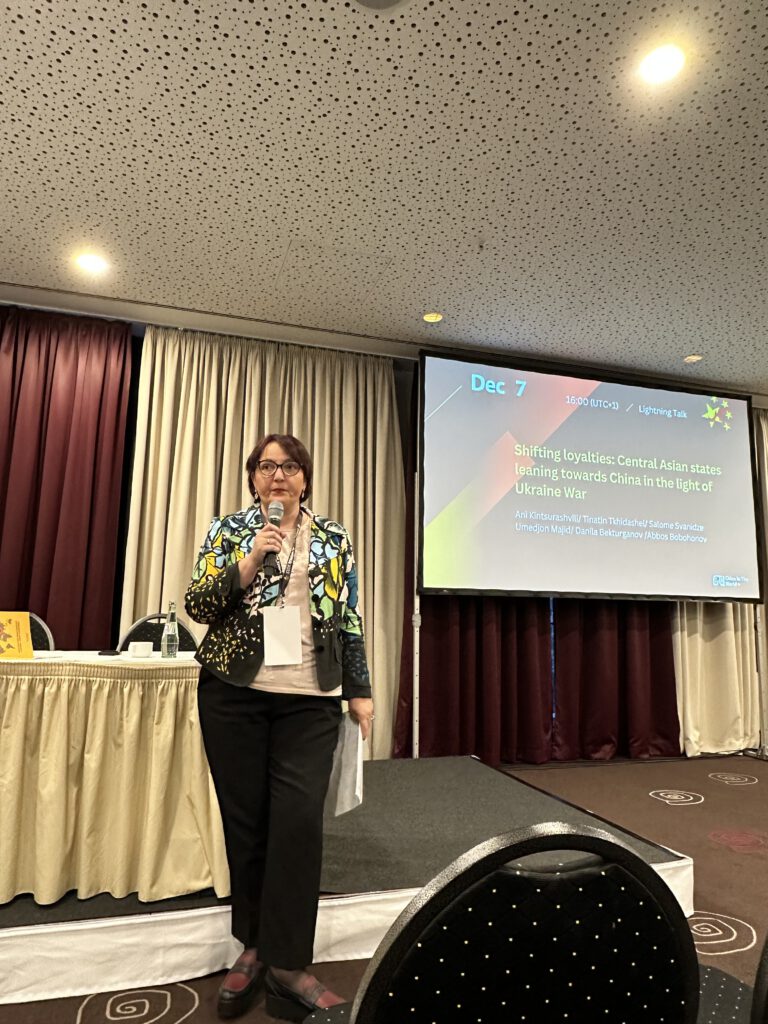
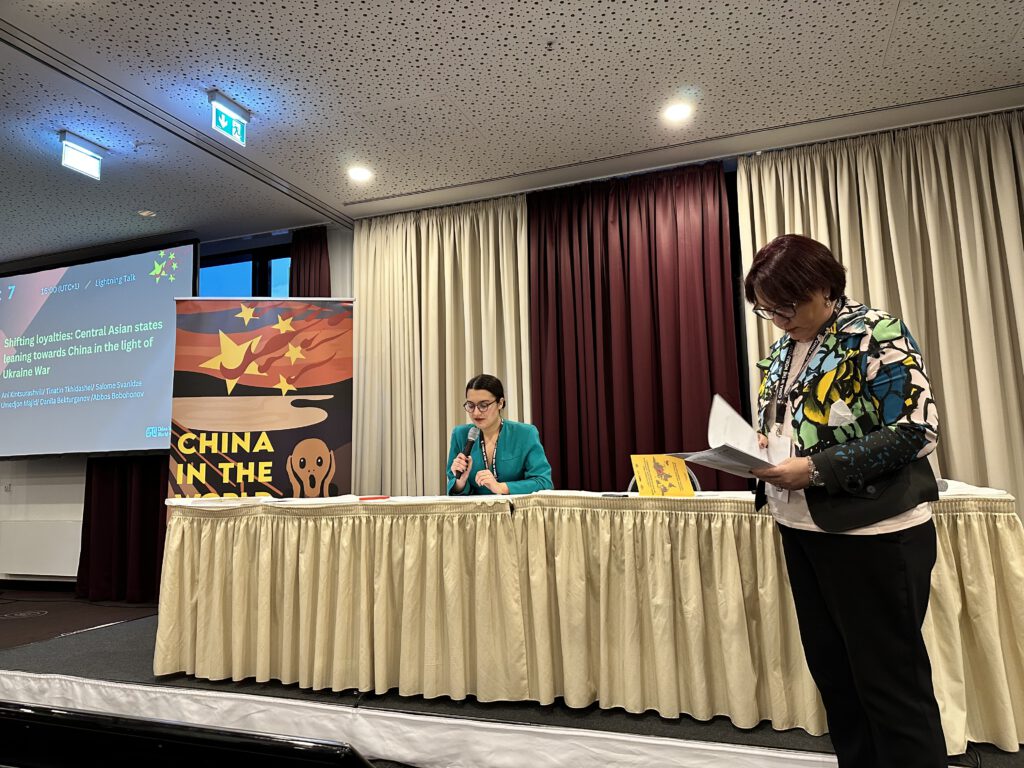
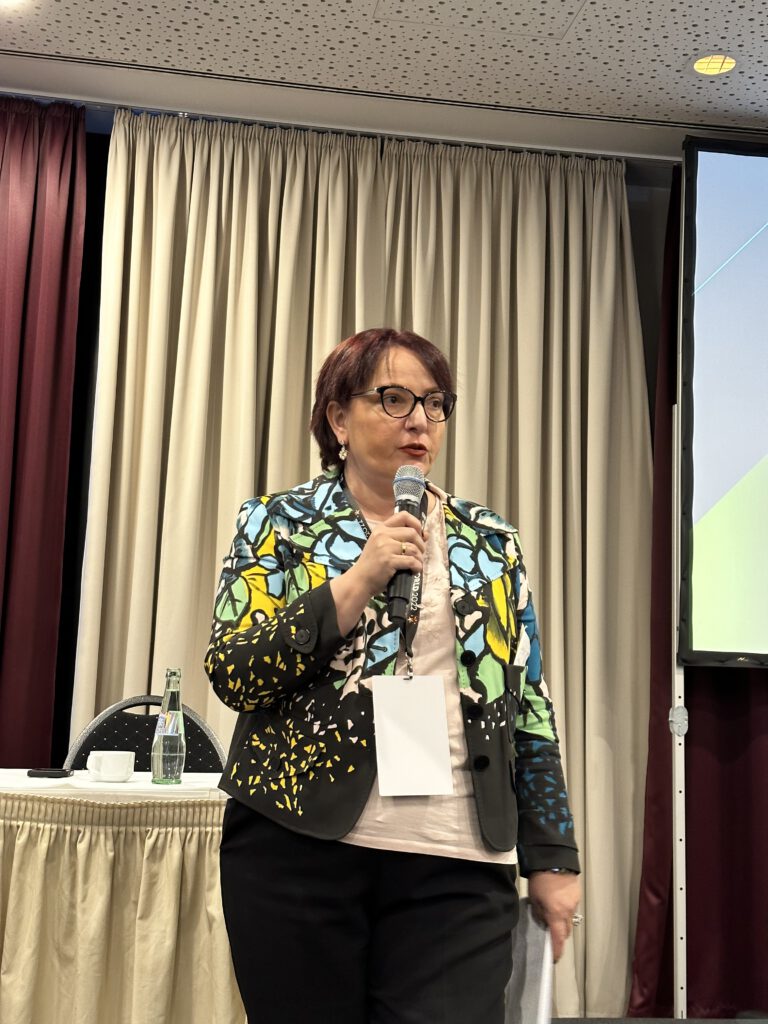
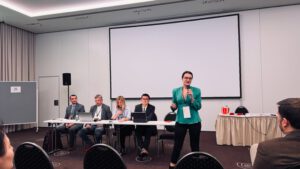
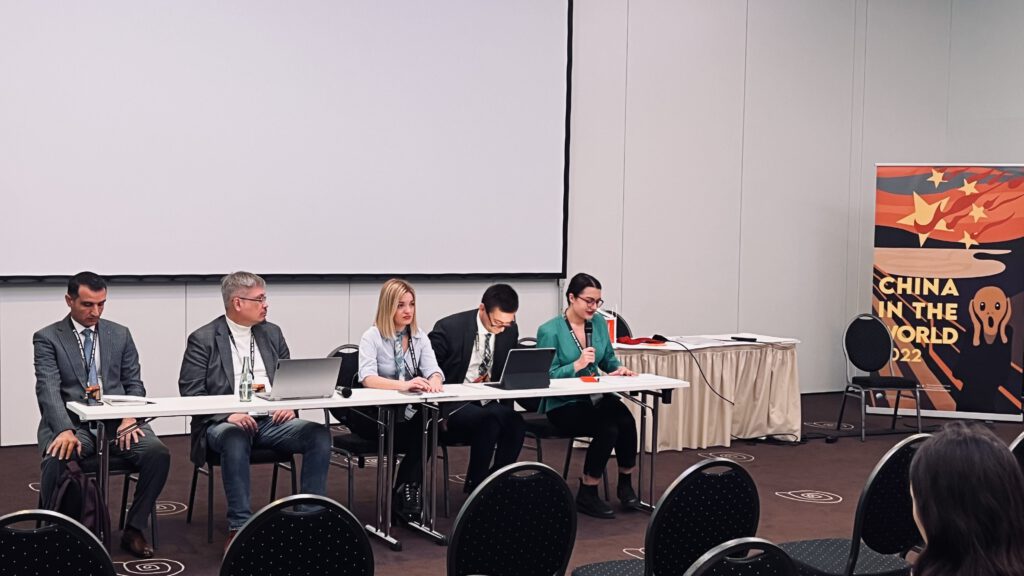
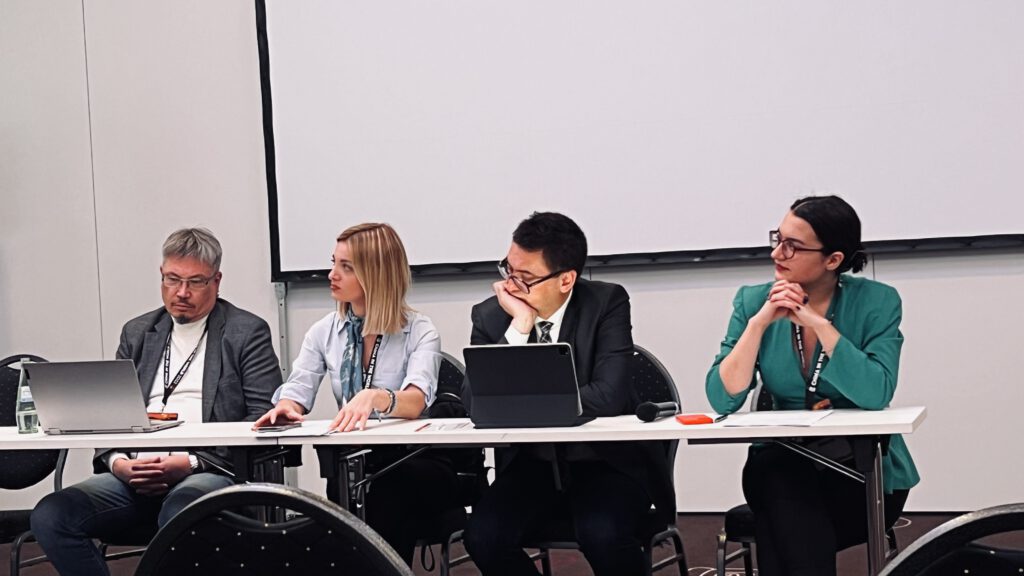
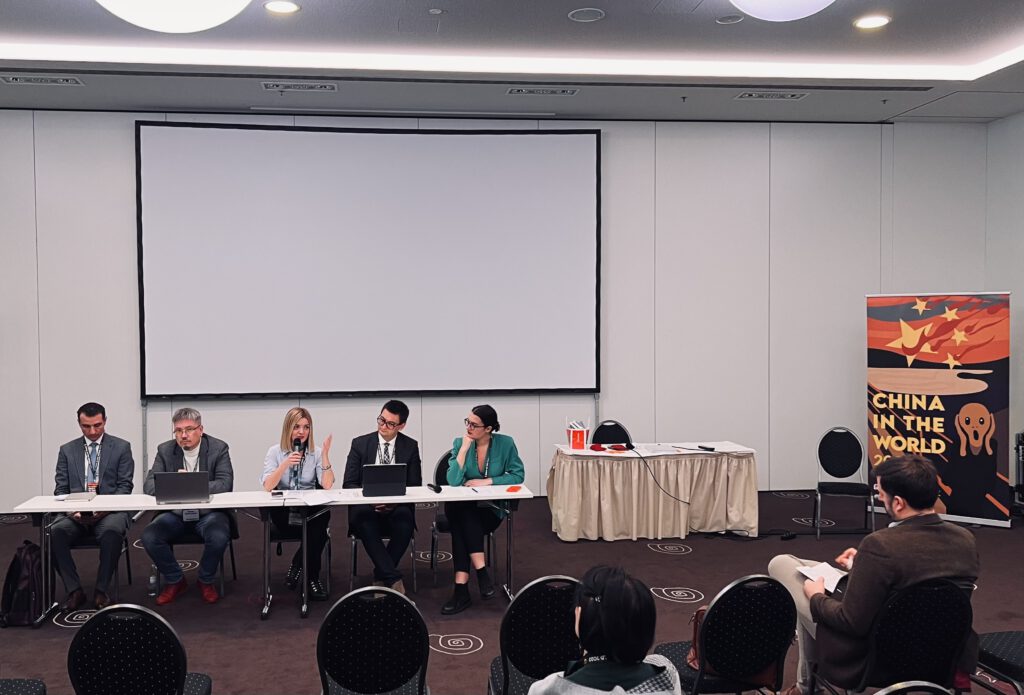
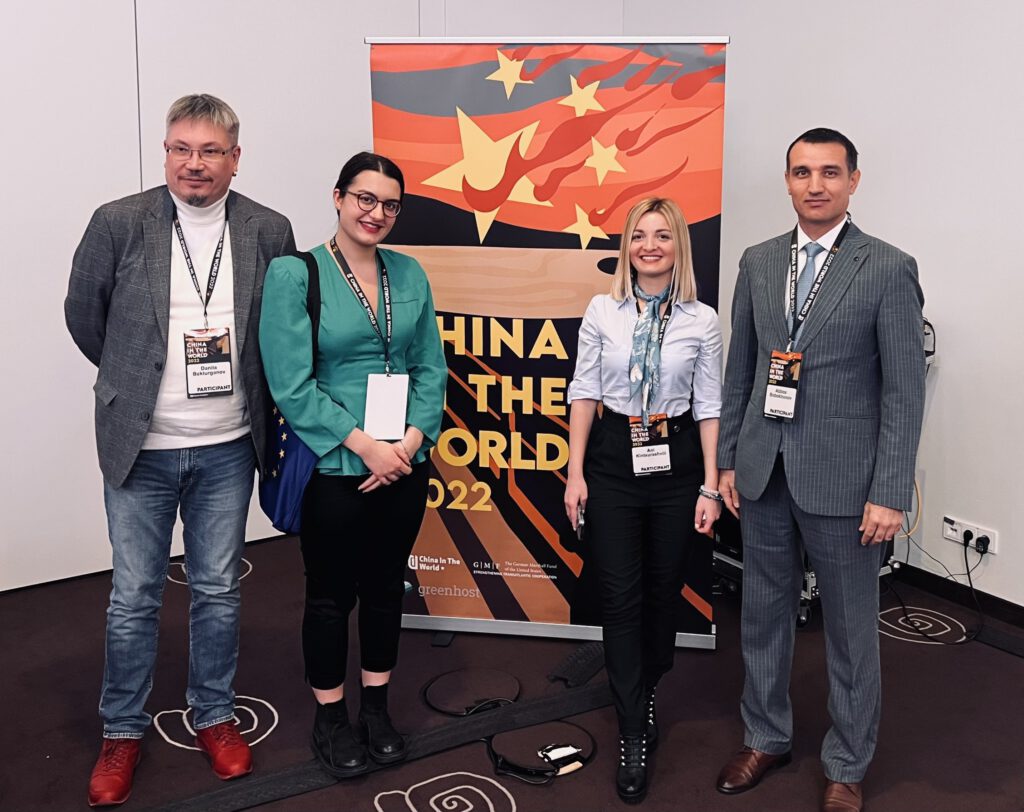
On December 6-7, in Berlin, Civic IDEA, together with its partner experts from Central Asia, participated in China In The World (CITW) Summit and led two sessions: “Economic Security – Impact of BRI” & “Shifting loyalties: Central Asian states leaning towards China in the light of Ukraine War”. The CITW is held annually and brings together activists, academics, civil society members, journalists and other stakeholders to improve understanding of China’s global influence and strengthen democratic resilience. The Taiwanese NGO Doublethink Lab organizes CITW summits to encourage dialogue, exchange ideas, and promote new collaborations. During the sessions, the speakers and the audience discussed the PRC’s Belt and Road Initiative and its impact on Kazakhstan, Uzbekistan, Tajikistan and Georgia, Digital Silk Road (DSR) and its incentives, notorious Chinese companies affecting the economic and technology and political sectors, as well as Central Asia’s and China’s positioning on Ukraine war.
The speakers involved:
Tinatin Khidasheli – Chairperson, Civic IDEA
Ani Kintsurashvili – Senior Researcher, Civic IDEA
Abbos Bobokhonov – Research Fellow, Institute for Advanced International Studies
The sessions were moderated by Salome Svanidze – Executive Assistant, Civic IDEA. Civic IDEA is particularly grateful to Doublethink Lab, the Open Society Foundation in Kazakhstan and U.S. Consulate General in Almaty.
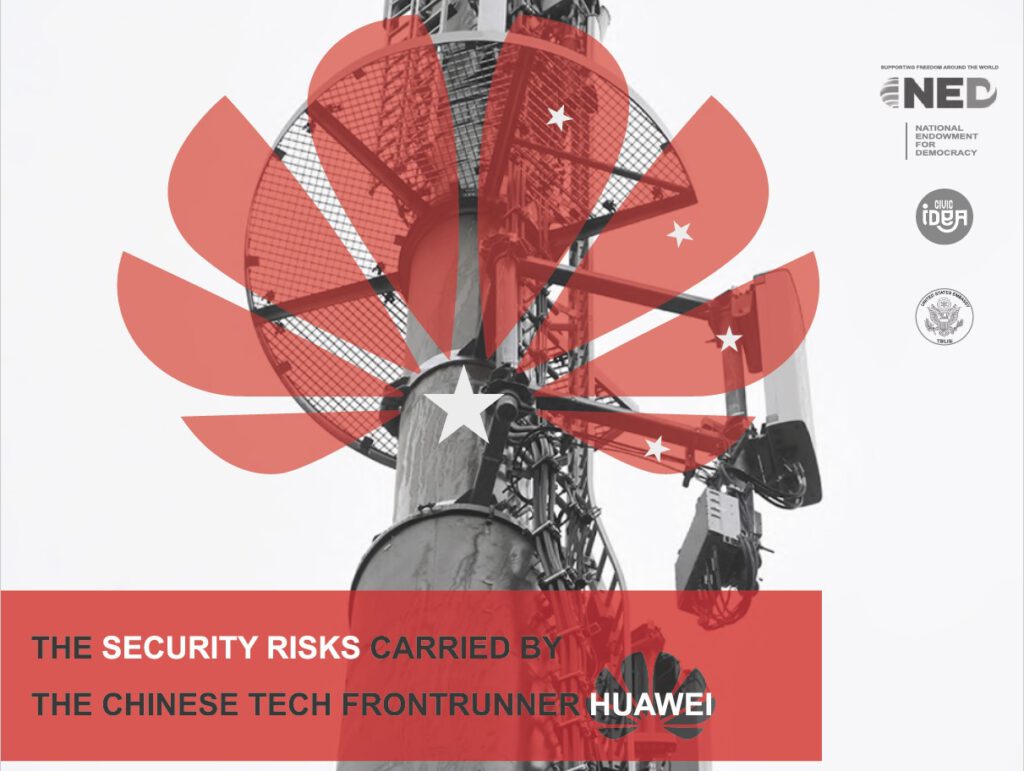
Already in the updated version of the list, which dates back to December 2021, we see that Georgia’s leading strategic partner, the United States, has blacklisted not only the Huawei divisions in different cities in China but also its other branches abroad. More precisely, the US has barred exports, reexports, and transfers coming from the Huawei subdivisions in Argentina, Australia, Bahrain, Belarus, Belgium, Bolivia, Brazil, Burma, Canada, Chile, Costa Rica, Cuba, Denmark, Egypt, France, Germany, India, Indonesia, Italy, Jamaica, Japan, Jordan, Kazakhstan, Lebanon, Madagascar, Mexico, Morocco, Netherlands, New Zealand, Oman, Pakistan, Panama, Paraguay, Peru, Portugal, Qatar, Romania, Russia, Singapore, South Africa, Sweden, Switzerland, Thailand, Turkey, UAE, UK, Vietnam. According to the document, the main reason for their debar-ment is linked to the security vulnerabilities that Huawei items convey.
In our 2020 report “Who is in charge of the post-cold war world? Chinese influence operations in Academia, Media & CSOs,” we have thoroughly covered the controversies related to Huawei and its activities in the US, the UK, and different EU member states. We also reviewed the resilience strategies used by multiple countries, such as Japan, the US, or the UK, that effectively impose restrictions and sanctions against the Chinese tech giant to ensure their national security.
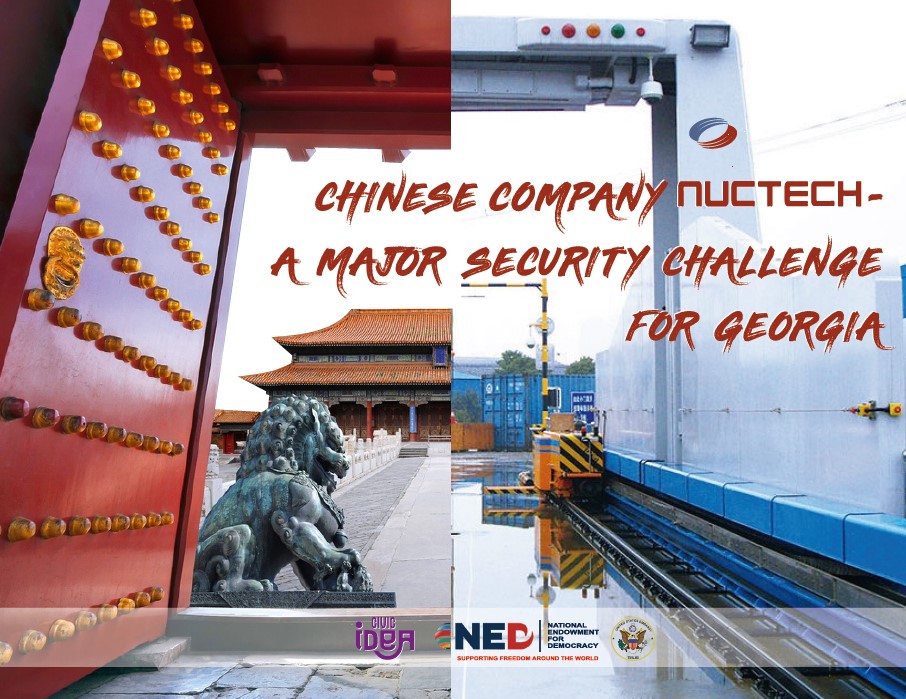
On January 20, 2022, Associated Press News featured an article “Security scanners across Europe tied to China govt, military,” raising alarms about the notorious Chinese “Nuctech Company Limited” and its dispersal throughout the European states.
Last year, Civic IDEA published a report about Nuctech Company Limited reviewing:
its cooperation with the Georgian government,
fraudulent activities related to Georgian and foreign tender procedures,
malfunctions of its security equipment,
corruption scandals worldwide.
Back then, our team has already stressed out the high-security risks threatening the national security of those states, where Nuctech has operated.
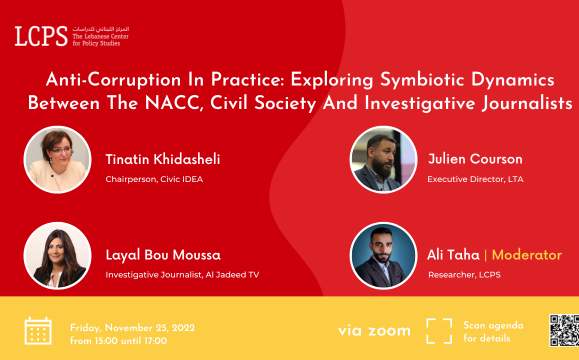
The Lebanese Center for Policy Studies (LCPS) in partnership with the National Democratic Institute would like to invite you to a hybrid roundtable discussion on: Anti-Corruption in Practice: Exploring Symbiotic Dynamics Between the NACC, Civil Society and Investigative Journalists
Date: Friday, November 25, 2022 Where: Online, Zoom (Zoom link will be sent after the closing of registration) Time: 15:00 – 17:00 Language: English and Arabic with simultaneous interpretation Registration deadline: Thursday, November 24, 2022 at 23:59 Organized by: Lebanese Center for Policy Studies Moderated by: Ali Taha, Researcher at LCPS
In recent years, Lebanon has passed a number of anti-corruption laws such as on the right to access information, asset declaration and illicit enrichment. These reforms are nonetheless mere legal tools to achieve an arduous end that is accountability. Oversight bodies such as the newly appointed National Anti-Corruption Commission (NACC), can serve as an enabling channel for the utilization of such legal tools in combating corruption, and guaranteeing transparency. The commission however has a long journey ahead of it, one that is fraught with all sorts of political, financial, and administrative challenges.
The discrepancy between the spread of corruption in Lebanon’s public sector, and the institutional resources that could be made available to it in times of fiscal austerity, lower expectations as to its effectiveness. Political pressure and meddling which have in the past curbed and nullified attempts at promoting accountability in government, also elicit similar cynicism. Although very real, these challenges do not justify a premature surrender of anti-corruption ambitions. Instead, civil society, investigative journalists and the public at large should play a proactive role to mitigate such challenges, by supporting and overseeing the work of the NACC.
This roundtable comes as a kickstarter for an essentially technical discussion, on the ideal dynamics that should govern the relation of the NACC with civil society organizations and investigative journalists. Specifically, how can they both support and oversee the commission, and using what tools?
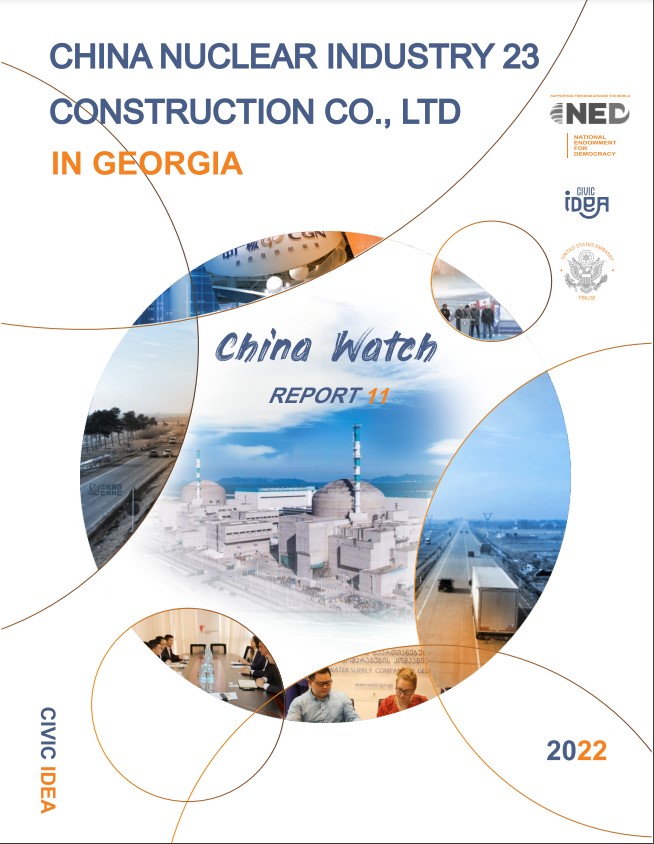
Civic IDEA’s 11th China Watch report discusses the controversies around China’s state-owned nuclear company China Nuclear Industry 23 Construction Co., Ltd., alternatively referred to as “CNNC No.23” or CNI23 operating since 1958. There is no record provided by internet sources about the misconduct related to particularly CNI23 and its representation in different states. Nevertheless, some problems and scandals are still associated with its founding investor firms: China National Nuclear Corporation and China General Nuclear Power Engineering Co., Ltd. China General Nuclear Power Engineering Co., Ltd. first appeared on the Georgian market in 2012 and since then has won several state procurements and made private investments.
For more information about the CNI23, see the attachment below: ?
We are particularly grateful to our Taiwanese partner organization Doublethink Lab, for advancing global research and collaborations on PRC influence in Georgia and worldwide.
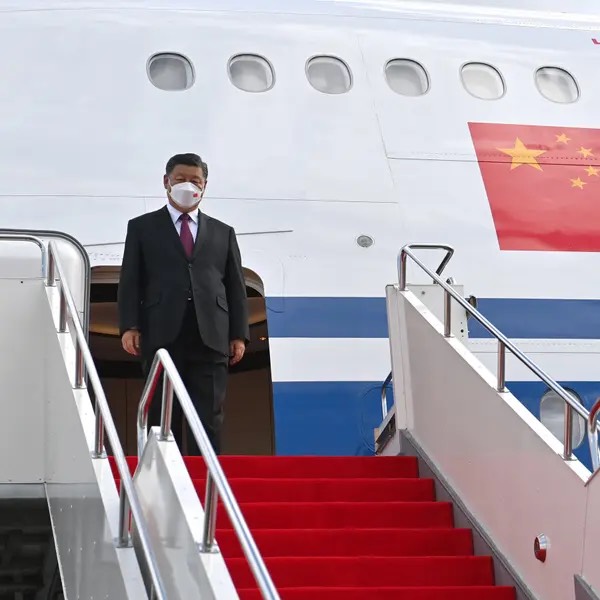
A few days ago, the Central Asian region became the epicenter of the world’s attention due to Xi Jinping’s historic visit, which is his first post-pandemic trip outside the People’s Republic of China. Xi’s Central Asian voyage started in Kazakhstan, where he landed on September 14 and met with the Kazakhstani President, Kassym-Jomart Tokayev, together with the delegation including the Deputy Prime Minister, Foreign Minister of Kazakhstan and the Mayor of Nur-Sultan. The two sides discussed energy, health and trade relations and agreed on signing numerous new bilateral agreements. Two countries issued a joint statement according to which Kazakhstan supports the PRC’s claim over Taiwan and stay loyal to the “One China Principle”. “During this short period (30 years), we have established strong interstate ties. I sincerely thank you for your support for Kazakhstan’s economic development and our international initiatives,” – Tokayev told the Chinese leader. The same day, after ensuring mutual understanding and support with Kazakhstan, Xi Jinping flew to Uzbekistan to attend a summit of the Shanghai Cooperation Organization (SCO) and held bilateral meetings with several leaders, of which Russian President Vladimir Putin is particularly noteworthy. Prior to the meeting with the Russian president, the CCP leader met with President Shavkat Mirziyoyev of Uzbekistan to likewise Kazakhstan, safeguard their long-term partnership and shared future at the bilateral level. The president of Uzbekistan expressed his firm and unequivocal support for the one-China principle concerning its core interests in Taiwan. On September 16, the CCP leader met with the Turkish counterpart Recep Tayyip Erdogan and pledged “political mutual trust”. On the same day, Xi Jinping also held bilateral talks with Iranian President Ebrahim Raisi, where the latter showed his willingness to obstruct the US sanctions with the help of the PRC and SCO. Xi himself mentioned that he expects the growth of their comprehensive partnership and showed support to “Iran in safeguarding its sovereignty and national dignity”.
However, it is interesting to know why the Chinese leader specifically chose Central Asia as his first destination after two years of lockdown. Unsurprisingly, his behavior carries more broad and more strategic meaning for the country and his party. His message was concise and clear, addressing that in these challenging times when Russia’s role is declining in Central Asia, PRC shows readiness to play the role of the leading global power in the region and seeks to reconfirm this objective with the visit of the Chinese leader. CCP’s foreign ambitions have always aimed to link countries to China through economic and infrastructure projects. The Chinese Belt and Road Initiative has served this goal since 2013 and connected countries from the South Pacific through Asia to the Middle East, Europe and Africa through various trade routes. With his visit, Xi guaranteed the PRC’s devotion and considerable financial investment in the global initiative. Central Asia, and particularly Kazakhstan, has played an essential role during the nine-year bilateral cooperation under the BRI. The region itself is conceived being a gateway connecting the PRC with Europe. It is not surprising that in a world full of tense circumstances, China does not lose interest in Central Asia and is always ready to expand its influence in the region. Central Asia itself proved to be reasonably stable without any significant power competition compared to the rest of the world. Accordingly, China is positioning this region as a favorable hub for its companies and long-term investments.
On the other hand, the expectations of the Central Asian countries about Xi’s visit being a vow to deepen mutual understanding and trust, and bring bilateral economic bonds closer, were also justified by Xi’s first and historical visit since the emergence of the Covid-19 pandemic. While the region is closely dependent on Moscow in various sectors and Russia itself is embroiled in a war with Ukraine, sanctioned by the entire West (and not only by the Western countries but also by the leading Asian democracies), and waned on the regional level, Central Asia may consider the PRC as an effective alternative to Russia in the future, especially in terms of the economic cooperation. Accordingly, the statements made by the Central Asian leaders during Xi’s visit and their shared future expectations for survival reflect this strategic intention.
Meanwhile, the Chinese leader used the SCO summit in Uzbekistan to meet face-to-face with the Russian president. Given China’s strong opposition to sanctions against Russia and the urgency to acquire more supporters on the Taiwan issue, Xi Jinping vowed his readiness to work with President Putin and pursue their shared interests in defiance of the West, as Beijing and Moscow both perceive the SCO as a counterbalance to the US alliances in the region. “China is willing to make efforts with Russia to assume the role of great powers, and play a guiding role to inject stability and positive energy into a world rocked by social turmoil,” Xi told Putin during the sideline meeting. It is important to note that despite China’s publicly announced policy of restraint on Russian aggression against Ukraine, it covertly continued economic and political cooperation with Kremlin even before this meeting. To be clear about PRC’s positioning in the Russian-Ukraine war, it is not accusing Russia solely but the US-let North Atlantic Treaty Organization (NATO), which, according to Chinese perception, has provoked and manipulated the already tense situation between the conflicting parties. At this meeting, Xi Jinping reiterated PRC’s position and sought an assertion from Putin that war will not further undermine regional security. Nonetheless, on September 21, several days after this in-person meeting, President Putin declared the partial mobilization of the Russian military, and the mayor of Moscow, Sergei Sobyanin, announced the preparation of the first recruitment center in Moscow for foreigners willing to fight along with the Russian soldiers against Ukraine. It is unknown whether the meeting with Xi Jinping and the “strong mutual support” voiced by the Chinese leader involved the narrative of military assistance to Russia amid the Western military aid to Ukraine. However, Putin’s subsequent actions certainly give a reason to suppose so. Surprisingly enough, the same day, the Chinese leader gave instructions to the People’s Liberation Army of China for military readiness due to the escalation of the situation over Taiwan.
Noticeably, foreign interests are accompanied by Xi’s personal intentions and ambitions. On October 16, 2022, the 20th National Congress of the Chinese Communist Party (CCP) will gather in Beijing, where the party’s top leadership for the following five years will be elected. The congress is particularly noteworthy as the current leader, Xi Jinping, is likely to take a third term, breaking the “seven up, eight down” rule, according to which those leaders who are 68 and above are expected to step down and Xi Jinping has already exceeded the age limit. Experts anticipate that Xi is already preparing for the third term despite this political tradition, as his rule has dramatically transformed the PRC’s political landscape. His visit to Central Asia came ahead of the congress to prove his confidence in being the PRC’s most influential leader since Mao, heading the anti-Western alliance of nations.
Ani Kintsurashvili – Author of the Article, Senior Researcher, Civic IDEA
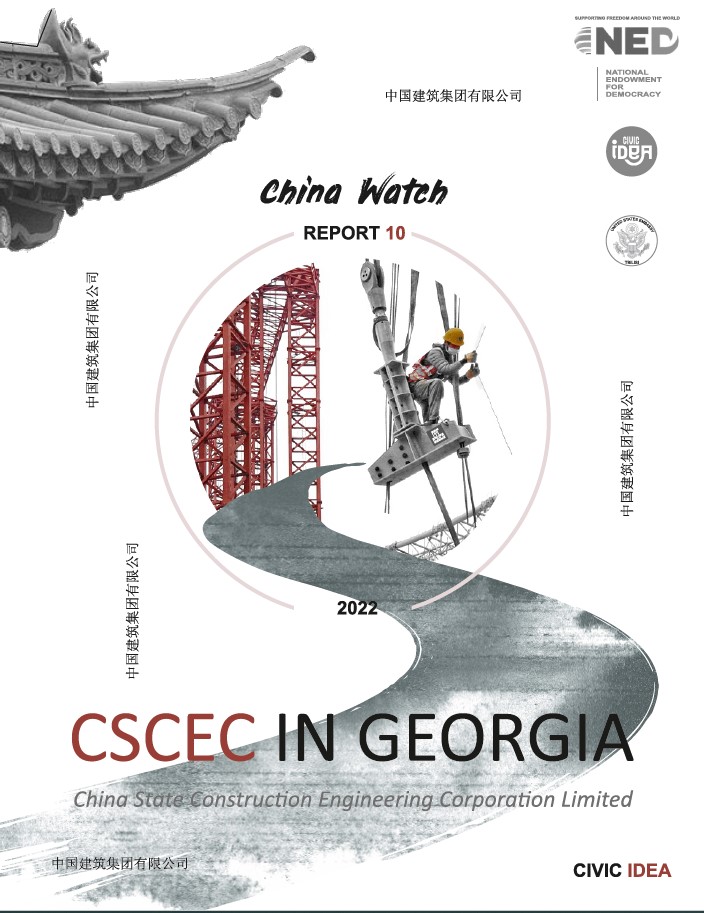
Civic IDEA is pleased to share with you the 10th China Watch report related to another Chinese company operating in Georgia, China State Construction Engineering Corporation Ltd. (so-called CSCEC), and reviews its scandals and misconduct that occurred in Georgia and worldwide.
CSCEC is one of the largest Chinese state construction companies, founded in 1982. Since then, it has operated in more than 100 countries worldwide. The company’s main activities comprise real estate, construction financing, operation and engineering (housing and infrastructure), as well as design and survey. This company has been embroiled in numerous scandals in the past two decades. More precisely, the CSCEC and its subsidies have been exposed to corruption and fraud schemes in the US, Philippines, Pakistan, Hungary, and several other countries and have been blacklisted by different state and international institutions.
Read more about the company’s reputation and activities in our report: ?
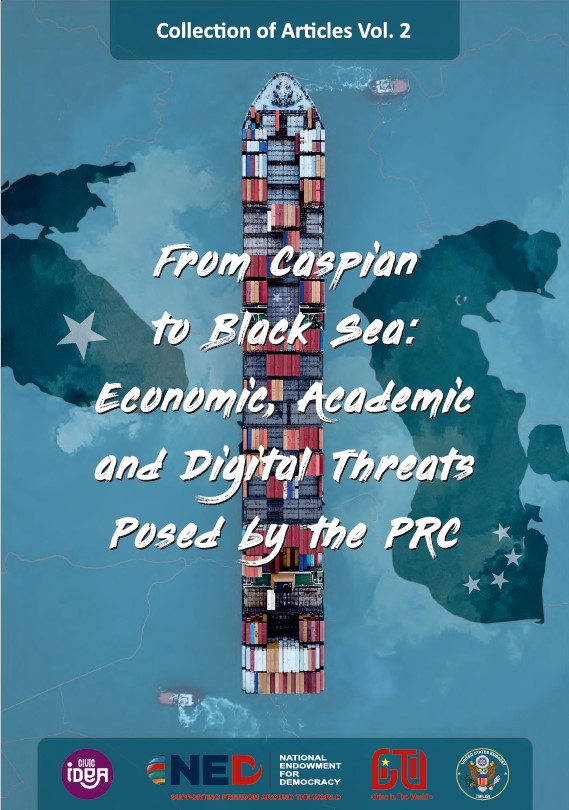
Civic IDEA has the honor to share with the audience the second part of the series of Collection of Articles under the name “From Caspian to Black Sea: Economic, Academic and Digital Threats posed by the PRC”. Publication in front of you is the second edition of a collective effort by Civic IDEA and its partners and distinguished experts from the region to analyze and debate the Chinese activities in their respective countries in various fields, be it academia, business, politics, or other state matters. This time, the publication was inspired by the outstanding work of our Taiwanese partner Doublethink Lab about the Chinese influence operations assembled in China Index-2021, to be followed at https://china-index.io. This regularly updated web tracker allows all interested in monitoring and measuring PRC influence around the Globe.
The contributor authors to the second issue of the collection of articles are the following:
Tinatin Khidasheli – Chairperson, Civic IDEA
Ani Kintsurashvili – Senior Researcher, Civic IDEA
Vusal Guliyev – Fellow, the Davis Center for Russian and Eurasian Studies, Harvard University
Gubad Ibadoghlu – Senior Visiting Fellow, London School of Economics and Political Science (LSE)
Umedjon Majidi – Anti Corruption Expert, Sarajevo, BIH
Gia Jandieri – Director, New Economic School of Georgia